| teachinghow2s.com |
Easy to grasp overviews of the theories behind the strategies |
| wikipedia.org |
Peter principle: managers rise to the level of their incompetence |
| wikipedia.org |
Dilbert principle: companies promote their least-competent employees (generally upto middle mgmt),
in order to limit the amount of damage they are capable of doing
|
| wikipedia.org |
Dunning–Kruger effect: a cognitive bias in which low-ability individuals suffer from illusory superiority,
mistakenly assessing their ability as much higher than it really is
|
| wikipedia.org |
Negative selection: The person on the top, wishing to remain in power, chooses incompetent associates,
they must not be competent enough to remove him from power
|
| helpguide.org |
Effective Communication |
| stackexchange.com |
Difference between 'guess' and 'hunch' (example: 'my hunch is that the stock is going to go up in value') |
| helpguide.org |
Building the Skills That Can Turn Conflicts into Opportunities |
| helpguide.org |
OODA loop refers to the decision cycle of Observe, Orient, Decide, and Act 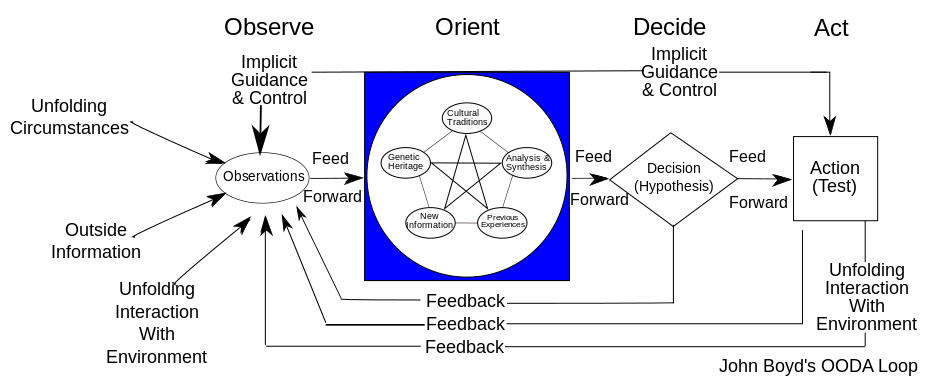 |
| quora.com |
Effective Communication using 80:20 (Pareto) Principle
80% of your conversation revolves around 20% of topic 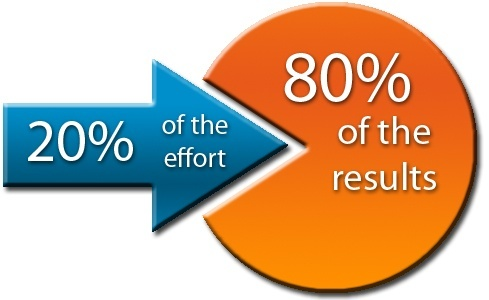
|
| wikipedia.org |
SWOT (Strengths, Weaknesses, Opportunities and Threats) Analysis in structured planning 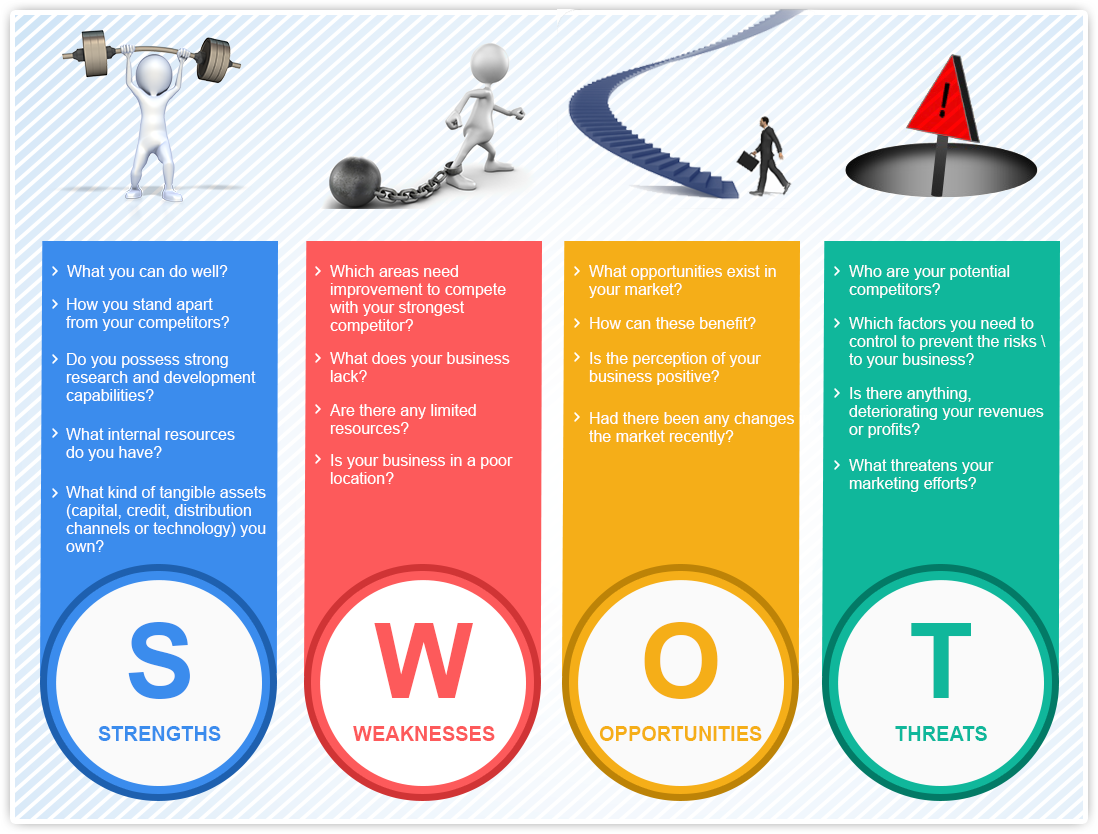 |
|
slideshare.net
slideshare.net
|
Presales : Introduction and Approach |
| whattech.com |
Top Ten Presentation Tips for Technology Pre-Sales Professionals |
| onlinecollege.org |
Twenty Classic Case Studies of Business |
| quora.com |
Some of good lessons learnt in Corporate World |
| emc.com |
Pull effect |
| slideshare.net |
Difference between Approach - Method - Technique - Procedure |
| deallus.com |
Opportunity and Threat Assessment 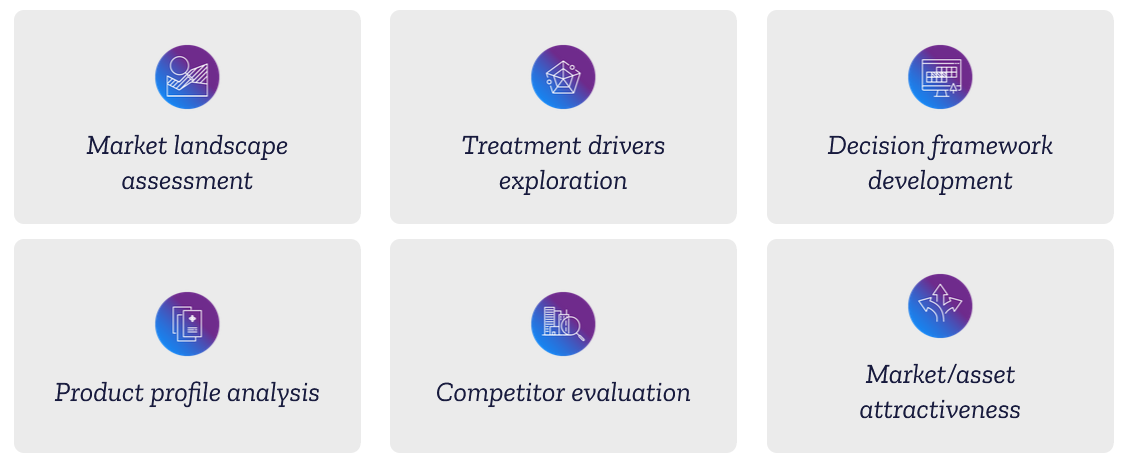 |
| ngroup.biz |
TBP (Transaction Based Pricing) |
| checkify.com |
Time and motion based pricing economy |
| nearshore-it.eu |
Gain share pricing model |
| projectmanager.com |
RAID is an acronym that stands for Risks, Actions, Issues and Decisions |